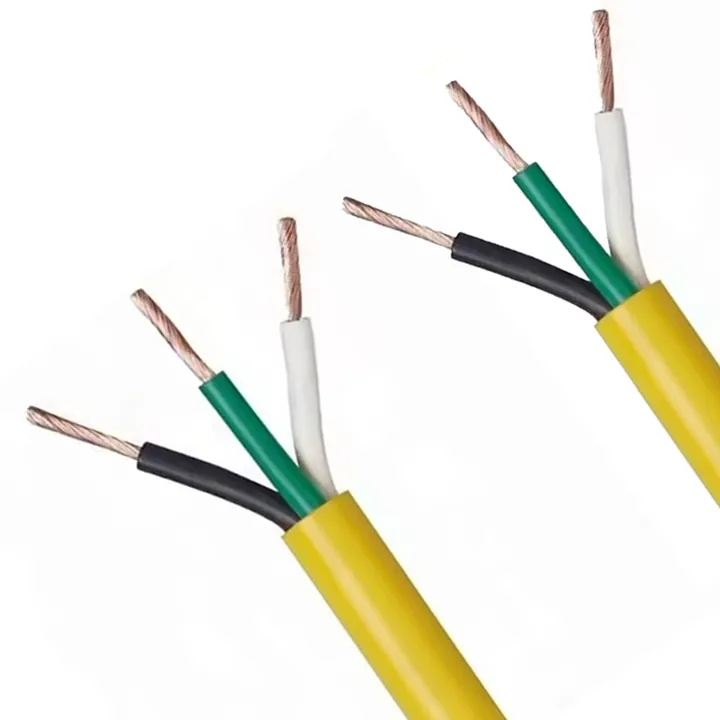
EV Charging Cable Manufacturer for AC Wallbox and DC Fast Charging
EV charging cables with fine-stranded Class 5/6 copper, power cores plus CP/PP pilot conductors — rated AC 450/750V and higher DC, built to IEC 62893 and EN 50620 — engineered for repeated plug-in, coiling and fast-charge current on wallboxes, public DC chargers and vehicle-side leads.
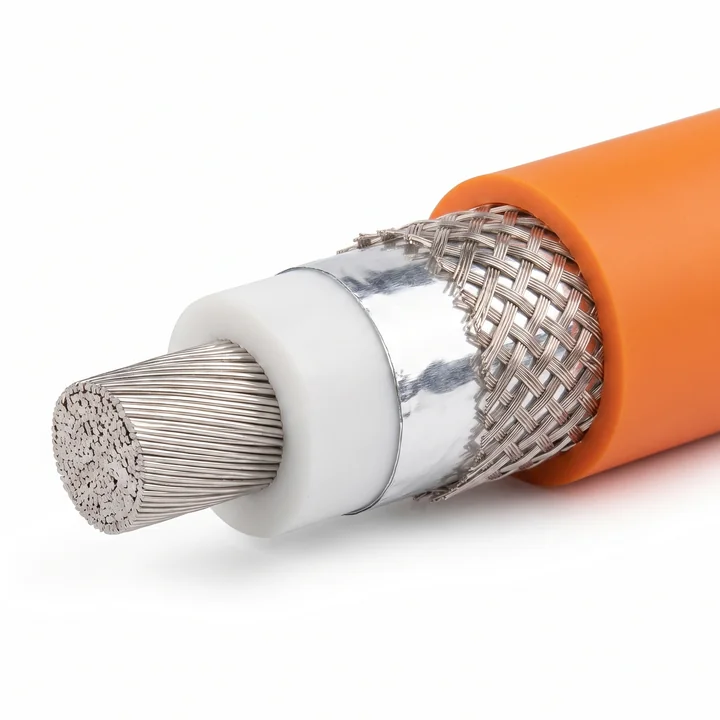 DC fast-charge power line · single core · aluminium foil + tinned copper braid screen · TPU sheath
EV Charging Cable Construction — Fine-Stranded Copper Power Cores, Pilot Signals and TPU Sheath
An EV charging cable is not just a power lead — it is a charging assembly that has to carry current and let the charger, the cable and the car handshake with each other. This section explains why it is built the way it is, and which type family to order — the full ratings sit in the table below.
Which build you get depends on how the current arrives. AC charging — wallboxes and Mode 3 cables — is the assembly this section mostly describes: several fine-stranded power cores travelling alongside dedicated CP and PP pilot conductors, all under one TPU sheath, because the cable has to carry current and handshake at the same time. DC fast charging is built the other way round: the pilot conductors move into the station-side control cable, and each polarity runs as a single screened power core — one fine-stranded conductor under an aluminium foil screen with a tinned copper braid over it, then TPU. That screen is the point: it keeps the switching noise of a high-current DC converter off the signals around it. The photograph above is that single-core DC line; the cross-section below is the multi-core AC assembly.
-
Fine-stranded copper power cores (Class 5/6)
The power conductors are bundled from many fine strands rather than one solid rod, so every plug-in and coiling spreads its strain across the whole bundle instead of loading a single wire; the strands do not work-harden and snap at the connector root the way a solid or coarse conductor does under repeated handling. This is the mechanism behind a cable that is plugged and coiled without breaking.
-
Control-pilot / proximity-pilot signal cores (CP / PP)
A charging cable has to talk, not only carry power: dedicated pilot conductors let the charge point confirm the connection, signal the available current and start and stop the session with the vehicle. Carrying signal cores alongside the power cores is what makes this a charging assembly rather than a plain power line — the reason it is built differently from a power, solar or rubber cable.
-
TPU sheath
Thermoplastic polyurethane is used because it is elastic and tough at once: it springs back after every plug-in cycle rather than taking a set, resists oil, abrasion, UV and weather at an outdoor charge point, and stays supple in the cold. It is the skin that takes the daily plugging, the floor drag and the station knocks so the cores underneath never have to.
EV Charging Cable Types, Modes and Connector Standards — AC and DC Fast Charging
Match the charging mode and the connector standard to the right type. Every figure here is a recognised international standard, not a private specification — and this table is the one place the full ratings are set out.
Home and commercial wallboxes — slow / medium AC charging, plugged and coiled every day.
Public fast-charge stations — high-current fast charging at high plug-in frequency, taking the station-floor crush.
Common construction: All types use fine-stranded Class 5/6 copper with power cores plus CP/PP pilot conductors, a TPU or rubber sheath, rated -40°C to +90°C (125°C max), to IEC 62893 and EN 50620.
Charging-Duty Endurance — Plug-In Cycles, Fast-Charge Current and Station Safety
An EV cable earns its keep at the connector — plugged, unplugged and coiled every session, and pushed hard when a car is fast-charging — so the question buyers actually ask is not what it is rated at, but how it keeps working through that duty. Here is the mechanism.
-
Repeated plug-in & coiling fatigue
A charging lead is worked hardest at two points unique to charging duty: the connector root, bent and tugged every time the gun is plugged in and pulled out, and the reeling section, coiled and paid back out between sessions. Those points absorb the full plug-in and coiling cycle count of a charge point's daily service, so the construction is engineered to keep flexing there without the cores loosening at the termination or the lead stiffening at the reel — the failure a fixed-install or poorly-terminated cable shows first when it is put to charging work.
-
Fast-charge current & heat
A DC fast-charge session drives a large current, and large current means temperature rise; the conductor cross-section carries it, the TPU tolerates the heat, and the cable holds within its rated temperature range so it neither derates mid-session nor ages the sheath prematurely.
-
Oil, UV & abrasion
An outdoor charge point means sunlight, spilled oil and a cable dragged across the station floor; the TPU jacket shrugs off all of it and does not crack or split so the pilot and power cores underneath stay protected.
-
Cold-start flexibility
At the cold end of its rated range the TPU stays supple, so the cable is still easy to plug in and coil in hard winter service rather than going stiff and unmanageable like an ordinary line.
-
Station safety
For public stations, an optional halogen-free / flame-retardant compound limits smoke and flame spread in a fire; we describe the endurance from mechanism and from the bending and flexing tests written into IEC 62893, never an invented plug-in cycle count — no fabricated numbers, customer names or testimonials.
Where Our EV Charging Cables Are Used — AC Wallboxes, DC Fast Chargers and Vehicle Leads
Map your charge point to the mode, connector and type it needs, so the cable matches how the charging actually works it rather than a generic datasheet.
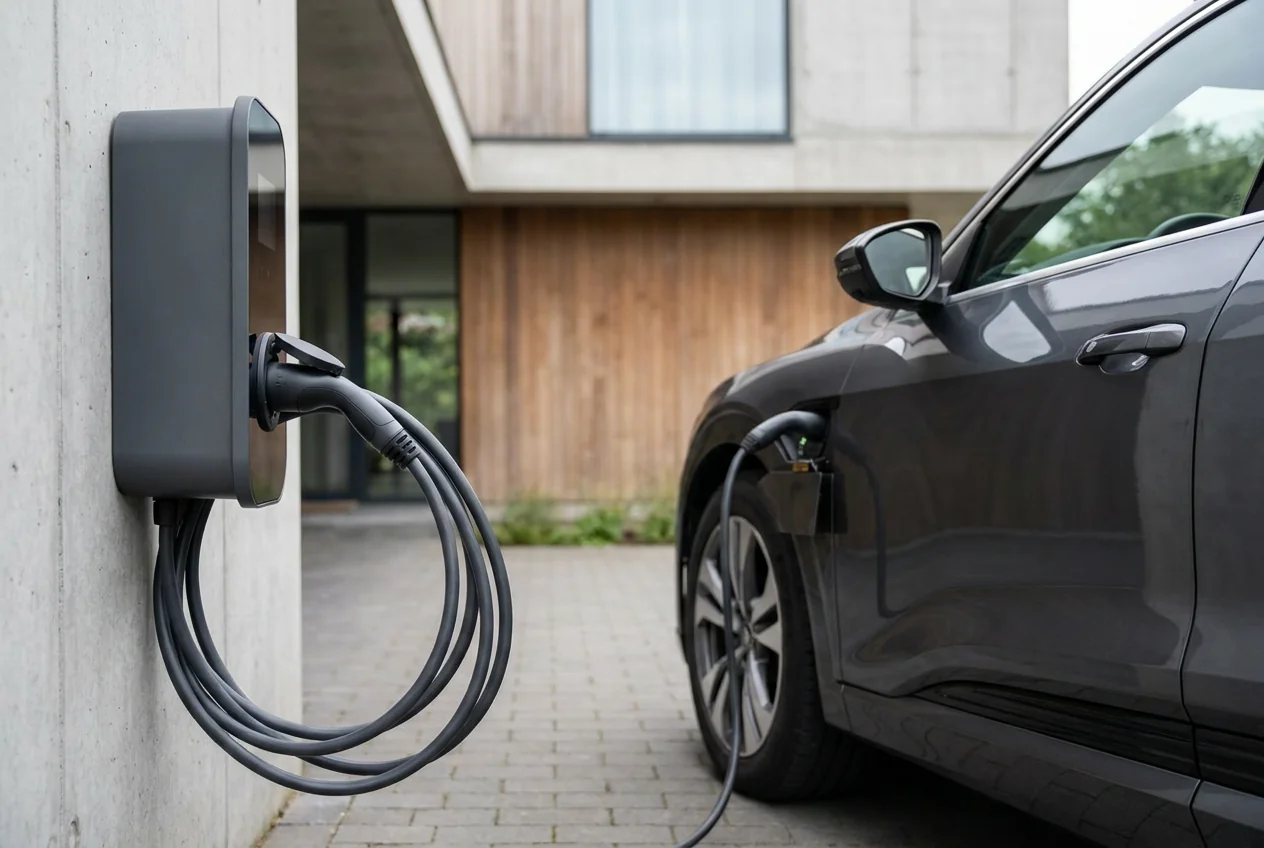
AC Home & Commercial Wallboxes
Type 1 / Type 2 leads plugged and coiled daily, where EV / EVJ at 450/750V keeps everyday AC charging supple and unbroken.
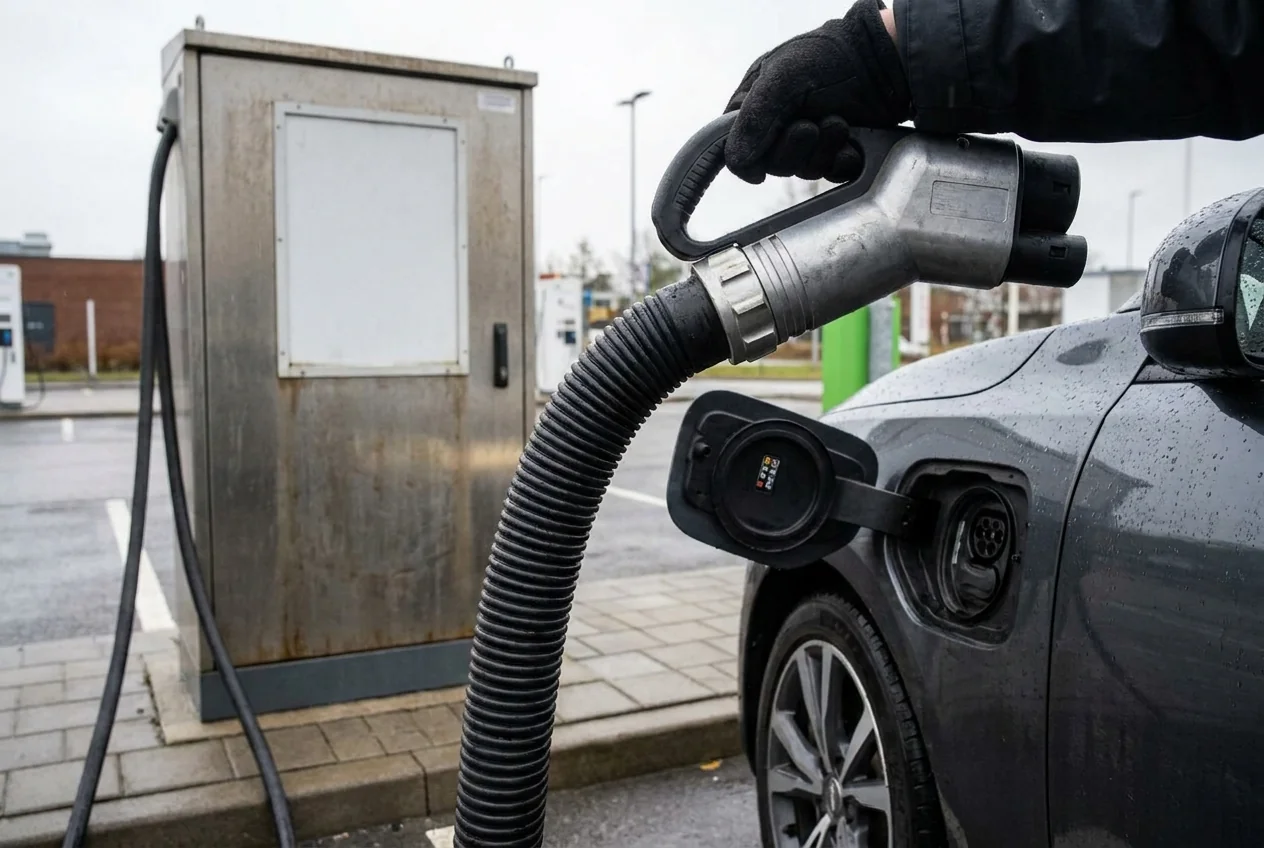
DC Public Fast-Charge Stations
CCS / CHAdeMO / GB-T leads carrying big current at high plug-in frequency and taking the station-floor crush, where EVE handles fast-charge duty.
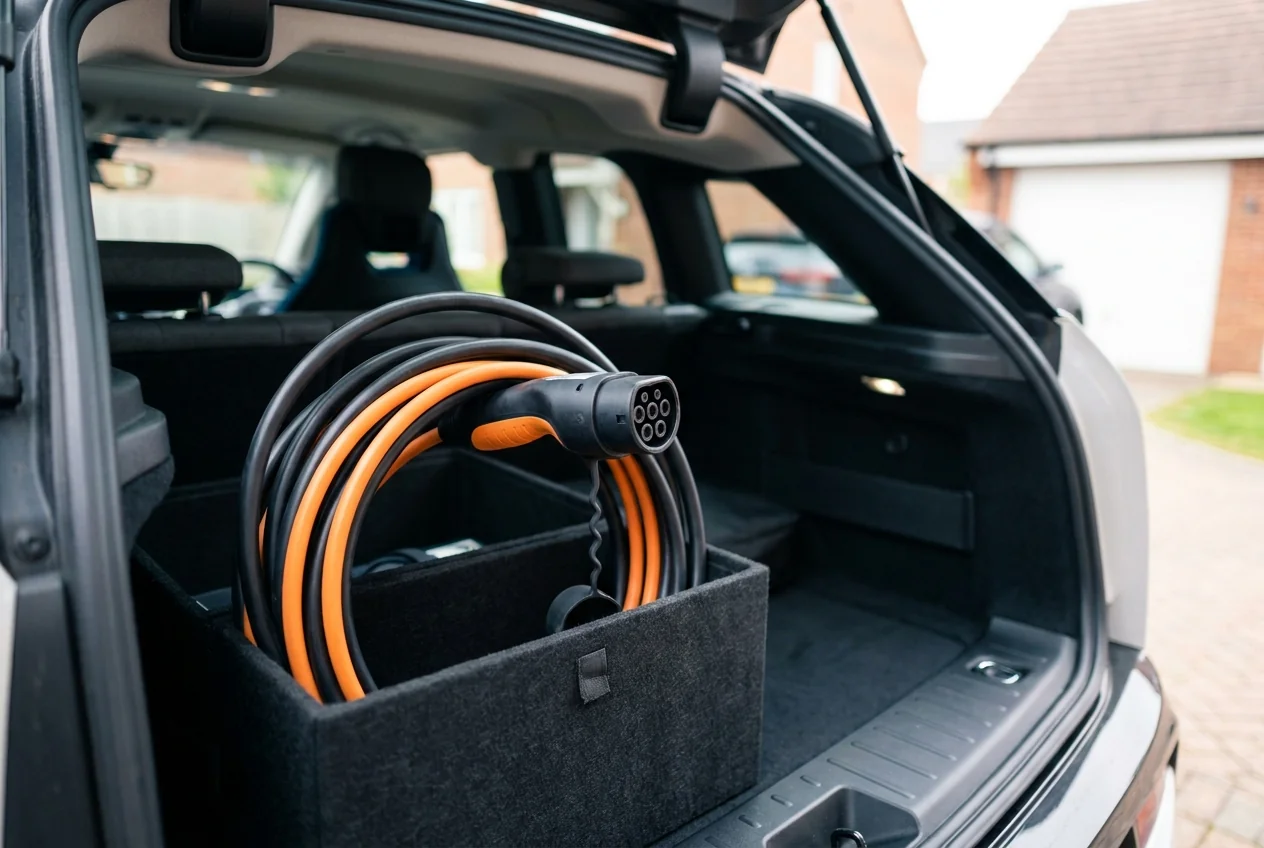
Vehicle-Side Charging Leads
The portable lead carried on the car, coiled and stored again after every charge, kept flexible in heat and cold.
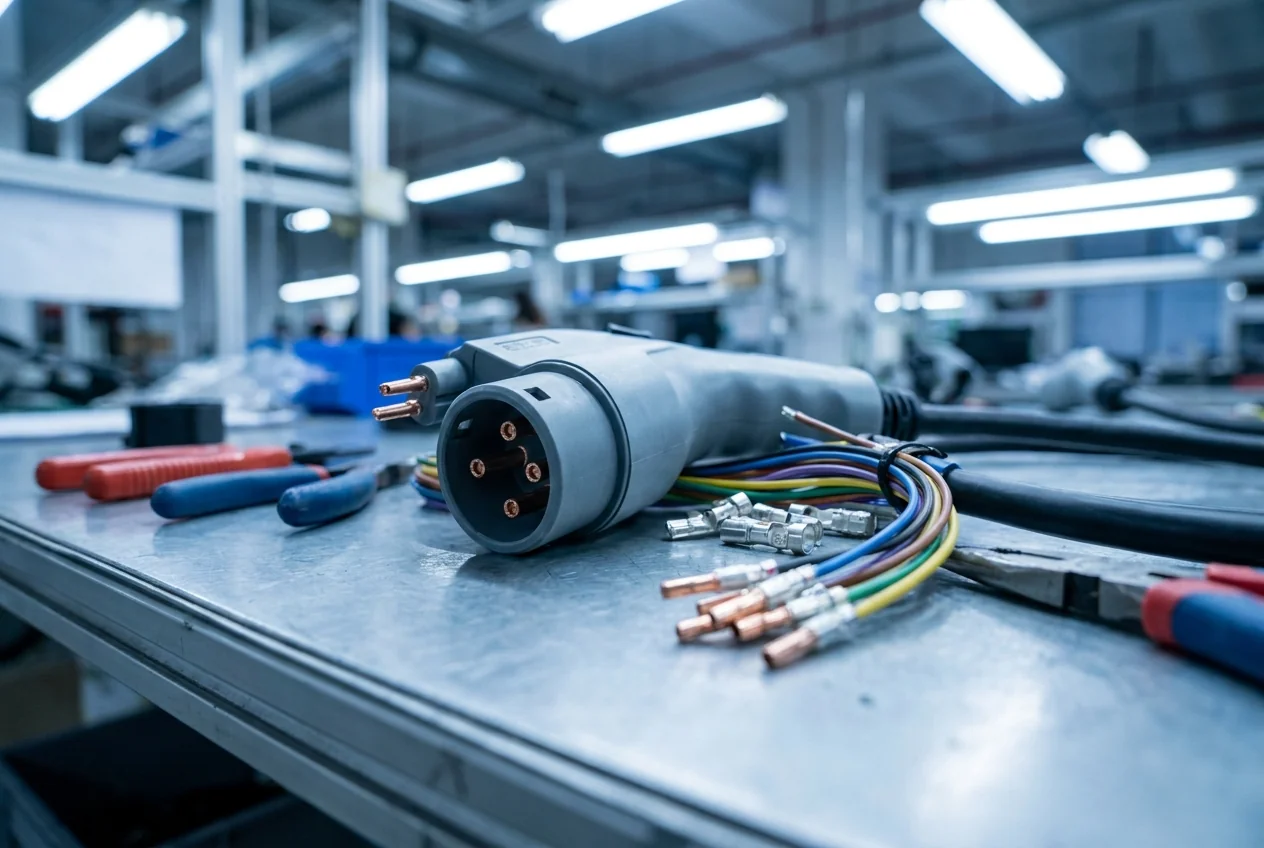
EVSE & Charging-Gun Harnesses
Cable built into charge points and charging guns by EVSE manufacturers, where the connector standard has to match the assembly exactly.
Why Source EV Charging Cables From Yaxing
Behind the reel is a manufacturer that runs its own production lines, not a trader passing on cable it never made — and one the State Grid has kept on as a long-term supplier across 30 years. A charging lead that quits at the connector puts a charge point out of service, so nothing leaves the plant until it has passed a 100% test in our in-house German-standard laboratory, and the complete certification set — CE, UL, TÜV, SAA, RoHS, IEC and ISO 9001 — travels with the order, third-party reports included for your charging spec.
See the full factory, quality system and certification record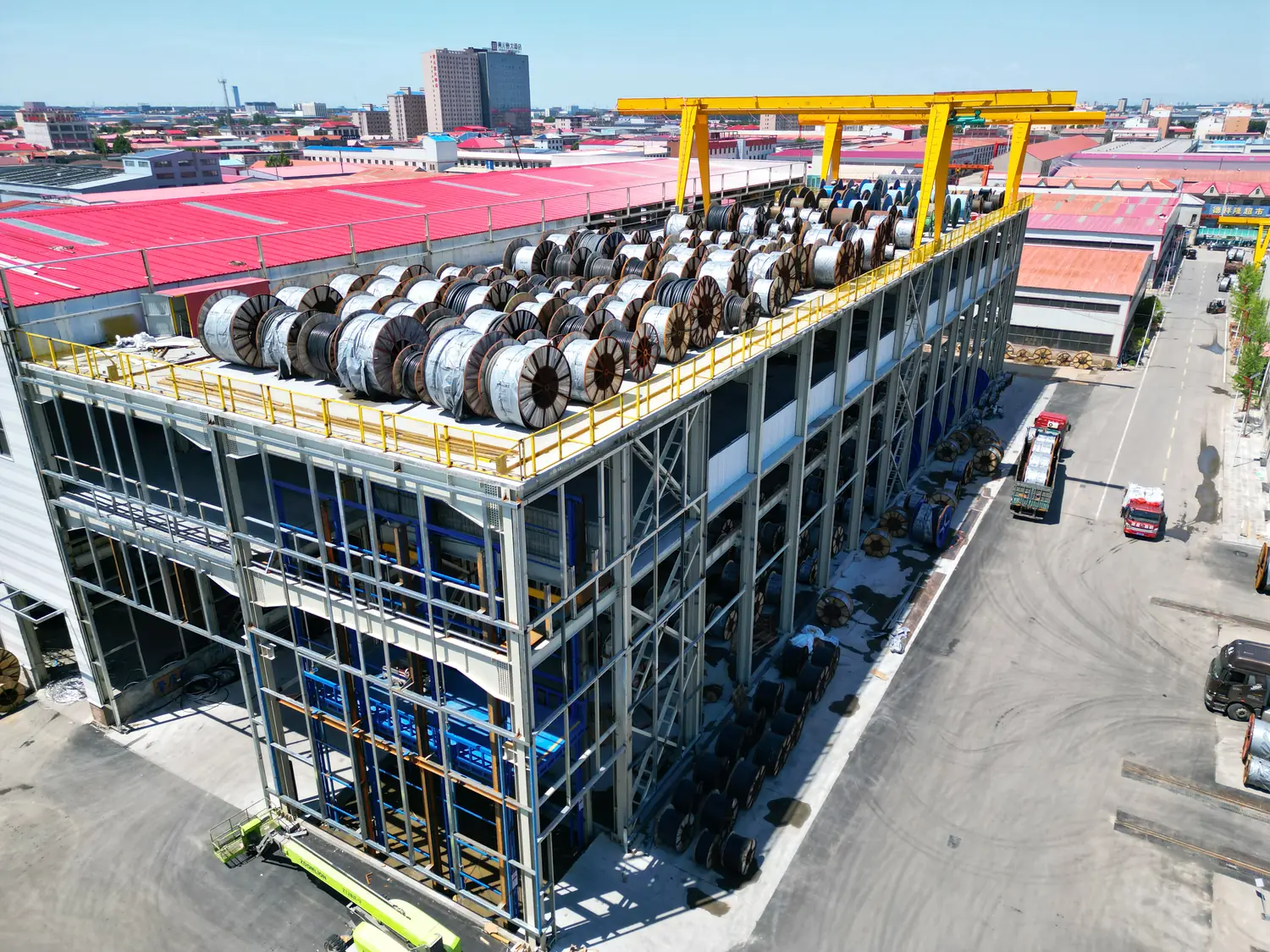 Ten automated lines · 100,000 m² base
OEM and Custom EV Charging Cables
Our own design room and tooling let us engineer each charging cable to the charge point it serves rather than ship a stock part. Tell us the charging mode and the connector standard, and the pilot-core layout, cross-section, compound and sheath print are all set to suit.
- Charging mode & connectorStructured for AC or DC and matched to Type 1 / Type 2 / CCS / CHAdeMO / GB-T.
- Cross-section, cores & currentPower cores sized to your current, with the CP / PP pilot core configuration your charge point needs.
- Sheath colour & special compoundReinforced UV-resistant TPU or halogen-free flame-retardant compounds on request.
- Length & reelCustom cut lengths on drums or coils, with metre marking and your surface print.
- Connector-end preparationPre-stripped or cut-to-length ends ready for connector and gun assembly.
- Packaging & labelOEM / ODM and private-label reels and cartons.
EV Charging Cable MOQ From 500 Metres, 15 to 30 Day Lead Time
A single reel to trial a wallbox and a network-wide re-cable of a fast-charge operator sit at the same low entry point, and each production run gets its own confirmed slot on the line. That keeps a sample coil and a repeat order arriving on the date the charge point is ready for them, rather than weeks behind it.
Specify
Charging mode, connector, voltage / current, cores and quantity.
Confirm
Engineers verify type, construction and build slot.
Produce & test
Booked build window, 100% factory testing.
Dispatch
Logistics and customs handled together.
Request an EV Charging Cable Quote
Send your charging mode, connector, voltage / current, core count, cross-section and quantity. Our engineers reply within 4 hours and return a full quote with datasheets within 24.
- Built to IEC 62893 / EN 50620 · EV / EVE / EVJ · Type 1/2 · CCS · CHAdeMO · GB-T
- Fine-stranded Class 5/6 copper · CP / PP pilot cores · TPU sheath
- MOQ from 500 m · 15–30 day lead time · 100% factory tested
- Reply within 4h · full quote & datasheets in 24h
Prefer to talk first? Email allen@newsun-cable.com or WhatsApp +86 188 7140 0481.