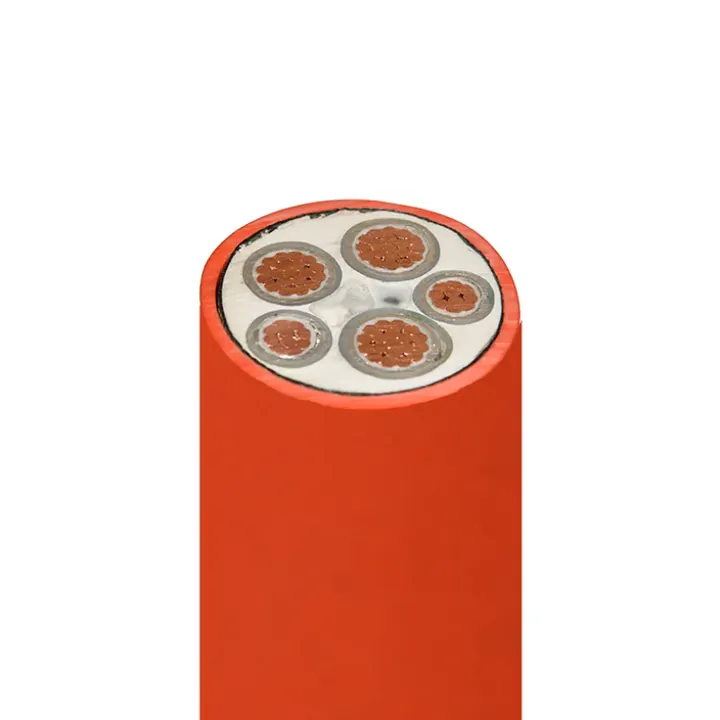
Rubber Cable Manufacturer for Flexible, Portable & Welding Power
Rubber cables with super-flexible Class 5 copper, an ethylene-propylene rubber core and a tough chloroprene sheath — rated 300/500V to 450/750V and built to IEC 60245 and VDE 0282 — engineered for repeated bending, oil, abrasion and weather on portable and mobile equipment.
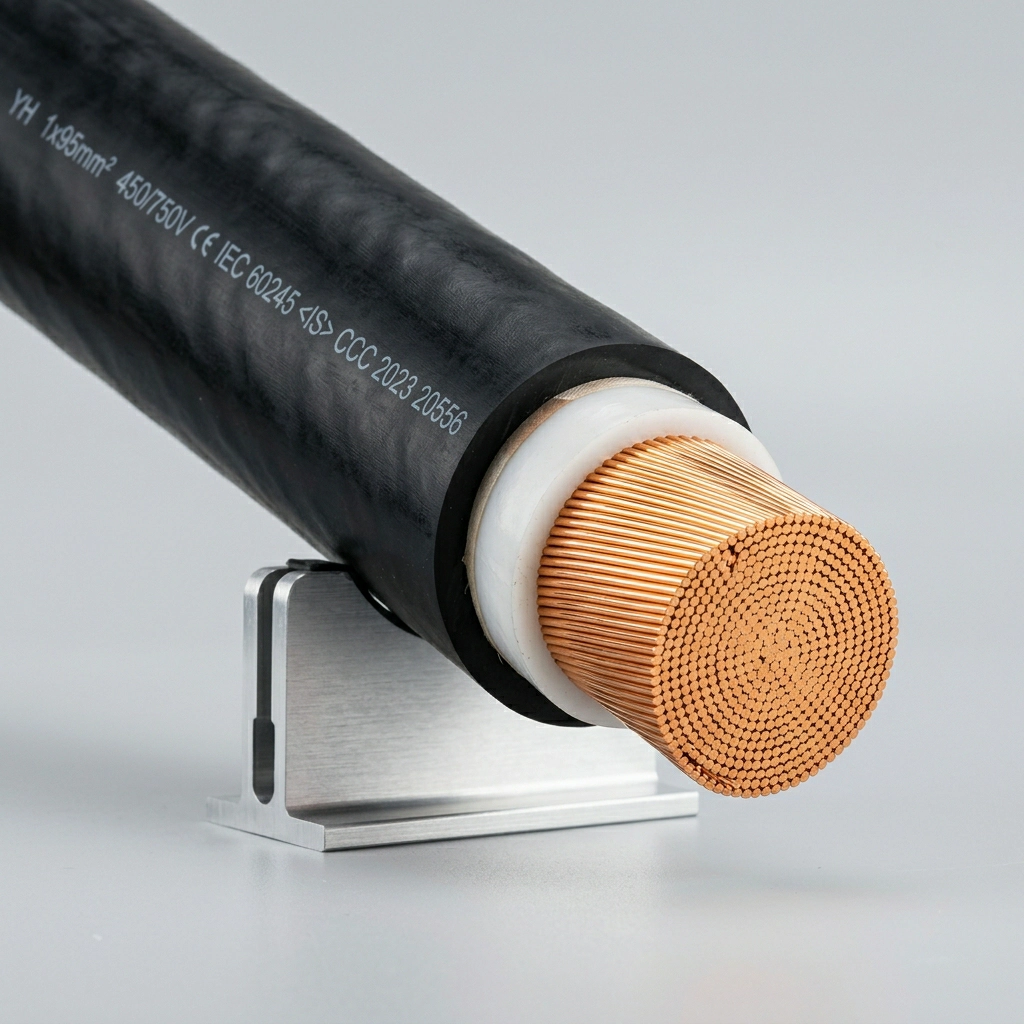 Fine-stranded Class 5 copper · EPR core · chloroprene sheath · YC / YCW / YZ / YZW / H07RN-F
Rubber Cable Construction — Fine-Stranded Copper, EPR Core and Neoprene Sheath
Three rubber-family choices decide whether a cable survives a working life of being dragged, coiled and worked: the copper, the insulation and the sheath. This section explains why a rubber cable is built the way it is, and which duty family to order — the full ratings sit in the table below.
-
Fine-stranded copper conductor (Class 5)
The conductor is bundled from many fine strands rather than one solid rod, so every movement spreads its strain across the whole bundle instead of loading a single wire; the strands do not work-harden and snap the way a solid or coarse conductor does under repeated handling. This is the mechanism behind a cable that moves without breaking.
-
Ethylene propylene rubber (EPR) insulation
Rubber is used instead of PVC because it is elastic: it springs back after every cycle rather than taking a permanent set, and it does not go stiff in the cold, where a PVC core would harden and crack. It keeps the core live and intact through years of movement.
-
Chloroprene (CR / neoprene) sheath
A tough outer jacket that is oil-resistant, abrasion-resistant and weatherproof; it is the skin that takes the ground drag, the crushing and the site knocks so the insulation underneath never has to.
Rubber Cable Types, Ratings and Standards — Light, Medium and Heavy Duty
Match how hard the cable will be worked, and the voltage it runs at, to the right type. Every figure here is a recognised international standard, not a private specification — and this table is the one place the full ratings are set out.
Portable tools and light mobile equipment (YZW = weather-resistant outdoor grade).
General mobile power and welding-machine leads.
Heavy trailing, cranes and hoists, oil- and abrasion-exposed outdoor service (H07RN-F = HD 22 / IEC 60245-4 heavy-duty grade).
Common construction: All types share fine-stranded Class 5 copper, EPR insulation and a chloroprene (CR) sheath, rated -25°C to +60°C, to IEC 60245 and VDE 0282.
Flex Life and Mechanical Endurance — Bending, Oil, Abrasion and Cold
A rubber cable earns its keep by moving — dragged, coiled and worked every shift — so the question buyers actually ask is not what it is rated at, but how it keeps working through that abuse. Here is the mechanism.
-
Repeated movement & strand fatigue
Because the current runs on many fine strands rather than one solid rod, each duty cycle spreads its strain across the whole bundle and no single strand fatigues and breaks first; a solid or coarse conductor put to mobile work would crack at the working point long before this does.
-
Elastic recovery
The rubber insulation springs back after every cycle rather than taking a permanent set, so the core does not kink, crack or deform, and it stays supple at the cold end of its rated temperature range instead of going stiff.
-
Oil & abrasion
The neoprene jacket shrugs off oil, grease, scuffing and being dragged over concrete and gravel, so the outer skin never splits and exposes the core on a working floor.
-
Weather & ozone
The same jacket resists sunlight, ozone and moisture, holding its strength outdoors anywhere within its rated temperature range, with no fixed-lifetime marketing attached.
-
What the endurance rests on
We describe it from mechanism and from the bending and flexing tests written into IEC 60245, never an invented cycle count: the standard works samples through defined movement to prove the construction. That is the claim we stand behind — no fabricated numbers, customer names or testimonials.
Where Our Rubber Cable Is Used — Welding, Mobile Equipment, Cranes and Site Power
Map your job to the duty and type it needs, so the cable matches how the work actually moves it rather than a generic datasheet.
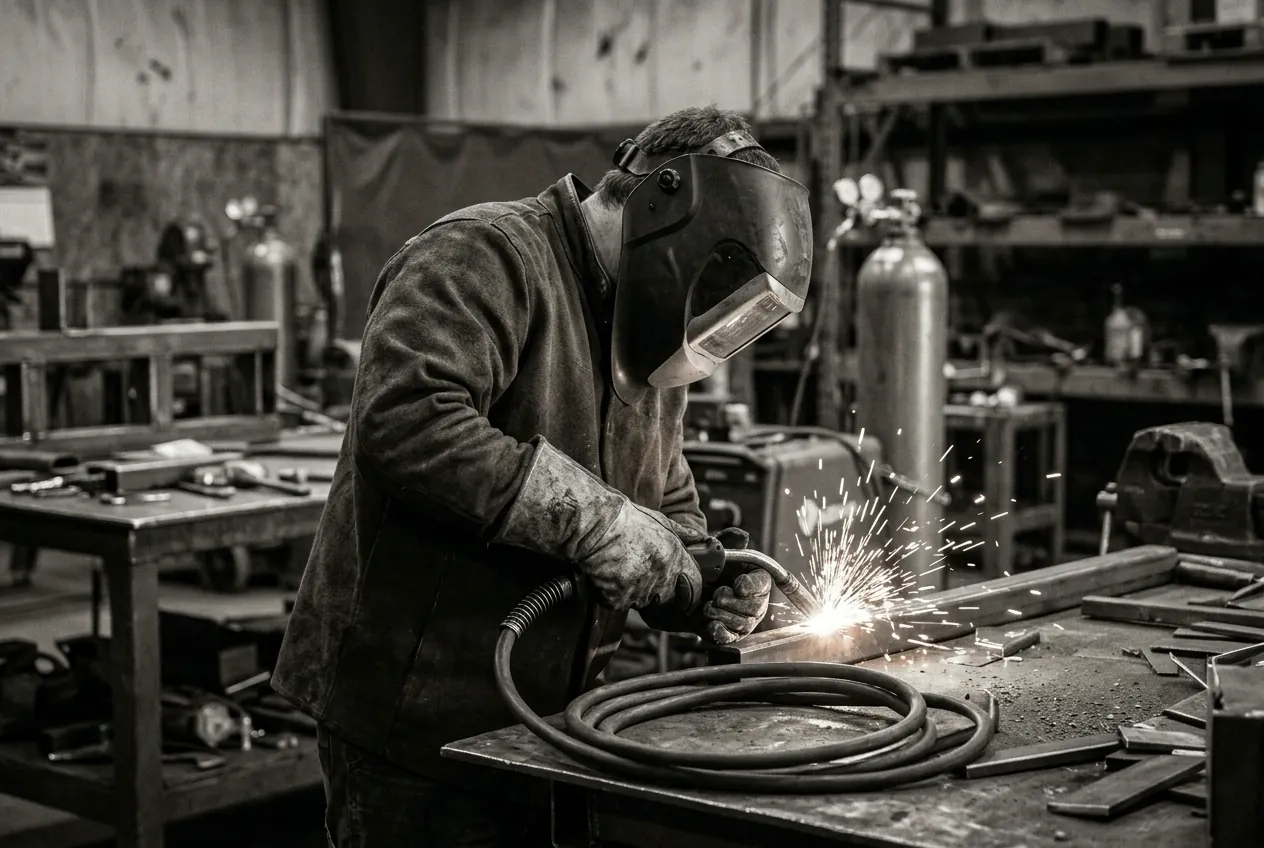
Welding Machines
YC leads coiled and thrown at the torch end shift after shift, kept supple and unbroken through the constant handling.
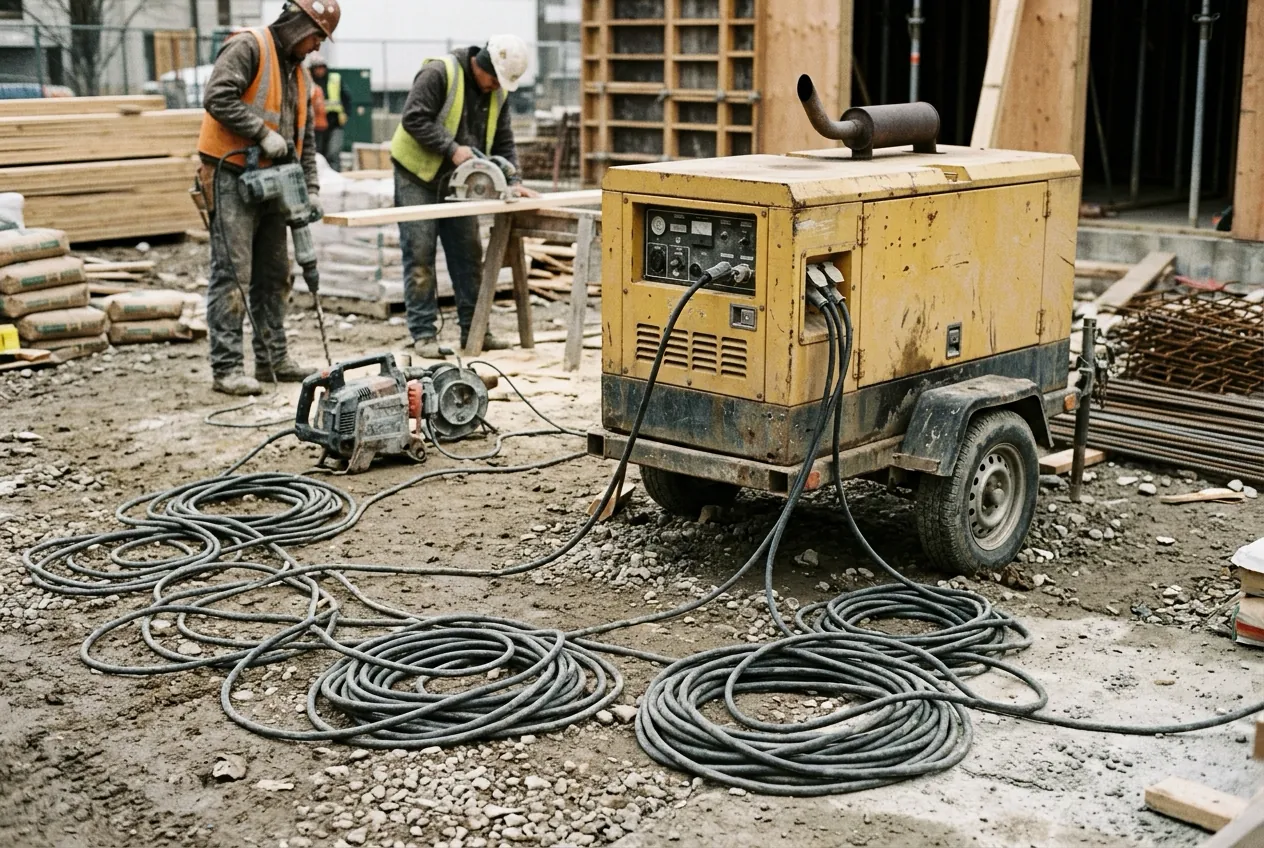
Portable & Mobile Equipment
Site tools and mobile machines moved and re-coiled every day, where light-to-medium YZW / YC duty keeps power on the move.
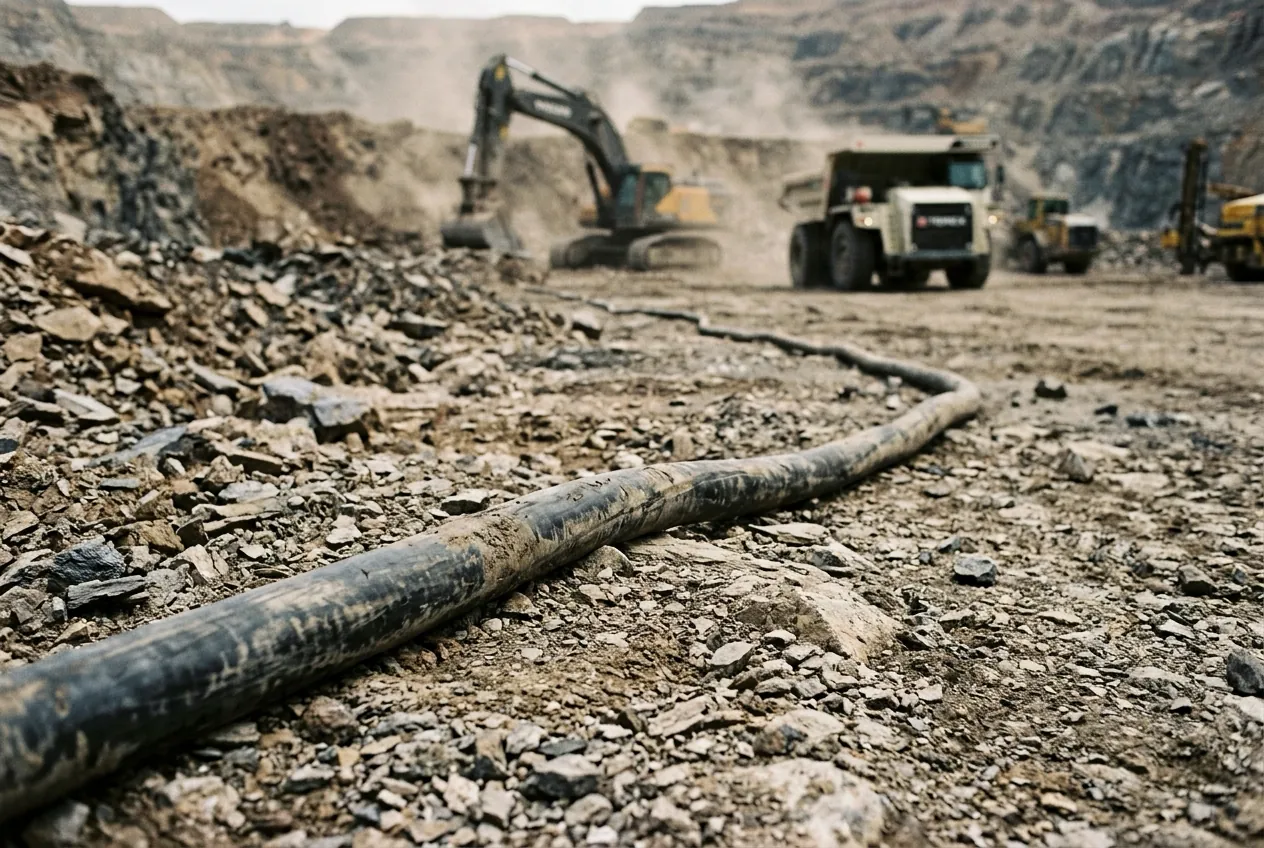
Mining & Light Trailing
Heavy-duty YCW dragged across rock and ground, where the tough jacket takes the drag and abrasion of trailing and reeling.
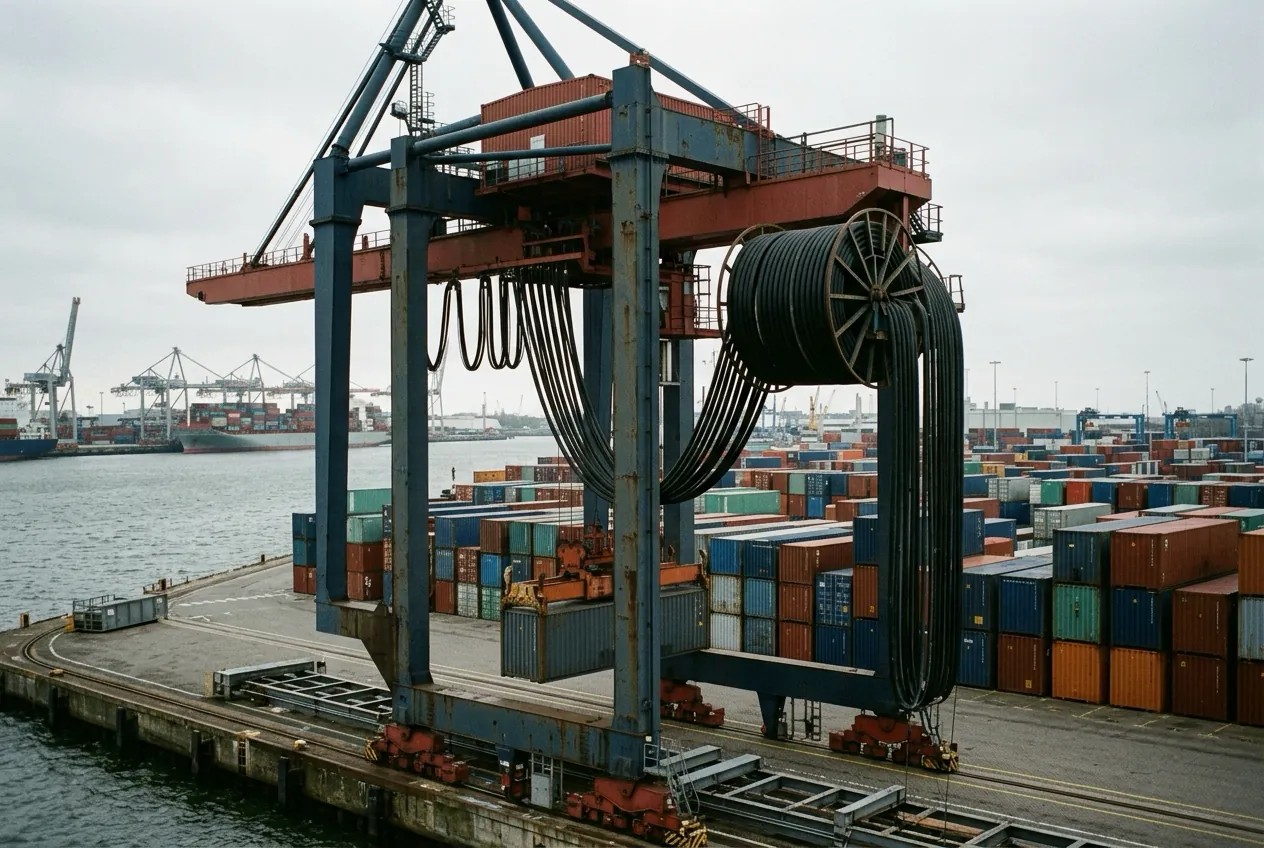
Cranes, Hoists & Port Handling
Heavy-duty cable that pays out and reels in on cranes and dockside handling, outdoors and oil-exposed.
Why Source Rubber Cable From Yaxing
The reel on your torch lead or trailing rig is wound in a factory that owns its own production lines rather than resold through a trading middleman — one that has served the State Grid as a long-term supplier for 30 years. Because a cable that fails mid-shift stops the whole job, every batch is tested 100% before it leaves the plant in an in-house German-standard laboratory, and the full certification set (CE, UL, TÜV, SAA, RoHS, IEC and ISO 9001) ships on file with third-party reports for your duty spec.
See the full factory, quality system and certification record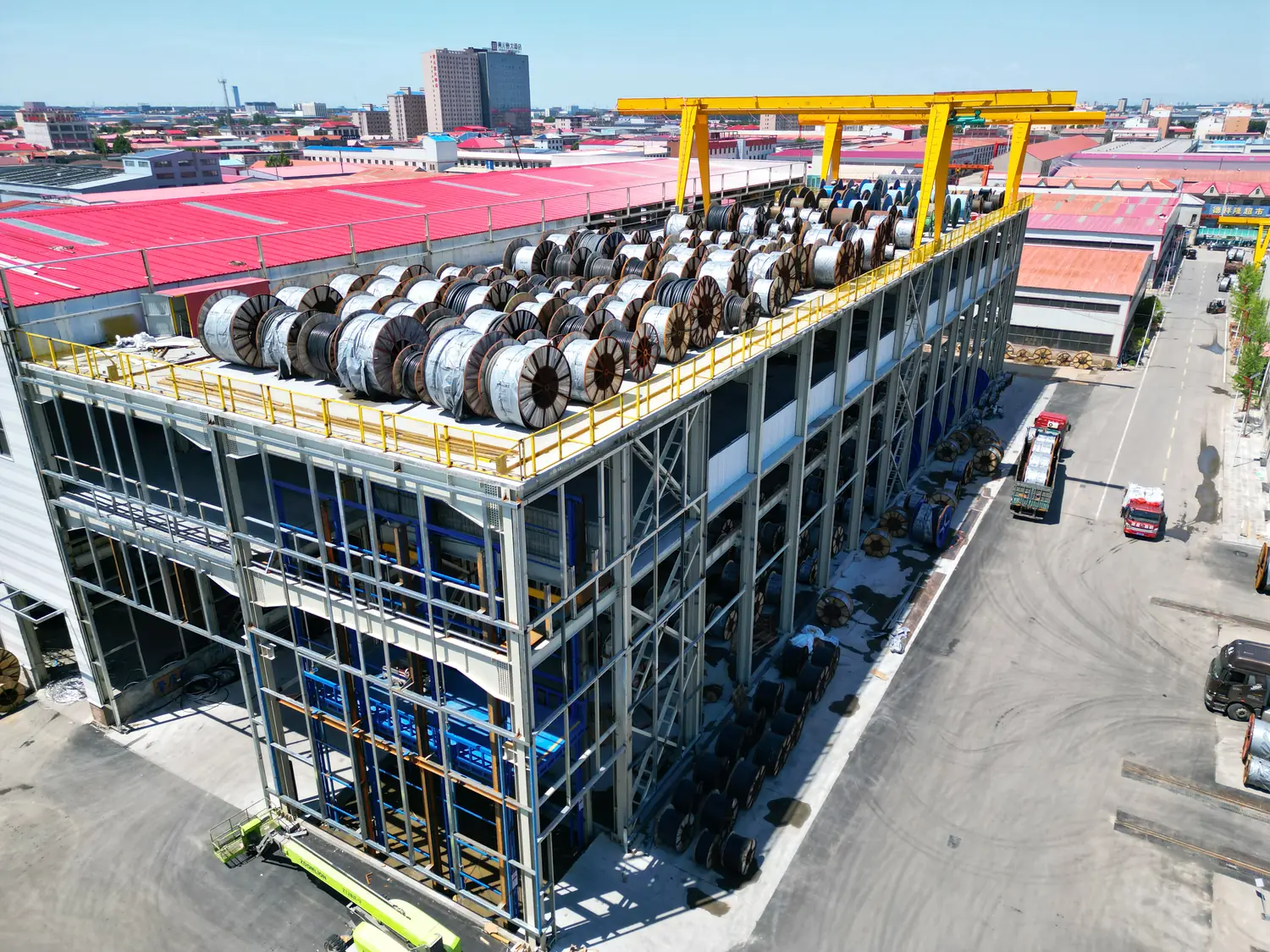 Ten automated lines · 100,000 m² base
OEM and Custom Rubber Cable
With in-house design we build to your job and your duty rather than a fixed catalogue — from the cross-section and core count to the compound and the print on the jacket.
- Cross-section & coresSized to your current and the equipment the cable feeds.
- Duty & typeYZ / YZW, YC or YCW / H07RN-F, matched to how hard the cable is worked.
- Sheath colour & special compoundReinforced oil-resistant or flame-retardant rubber compounds on request.
- Metre marking & printSequential metre marking plus your surface print or private label.
- Cut length & reelCustom cut lengths on drums or coils.
- Packaging & labelOEM / ODM and private-label reels and cartons.
Rubber Cable MOQ From 500 Metres, 15 to 30 Day Lead Time
From a single reel of torch cable to a full re-cabling of a mobile fleet, the order threshold stays low and every run is booked into a scheduled build window — so a workshop trial and a repeat production order both land when the job needs the cable, not weeks after.
Specify
Duty, type, voltage, cross-section and quantity.
Confirm
Engineers verify type, construction and build slot.
Produce & test
Booked build window, 100% factory testing.
Dispatch
Logistics and customs handled together.
Request a Rubber Cable Quote
Send your duty, type, voltage, core count, cross-section and quantity. Our engineers reply within 4 hours and return a full quote with datasheets within 24.
- Built to IEC 60245 / VDE 0282 · YC / YCW / YZ / YZW / H07RN-F
- Fine-stranded Class 5 copper · EPR core · neoprene sheath
- MOQ from 500 m · 15–30 day lead time · 100% factory tested
- Reply within 4h · full quote & datasheets in 24h
Prefer to talk first? Email allen@newsun-cable.com or WhatsApp +86 188 7140 0481.