Instrument Cable Manufacturer for Shielded Twisted-Pair Signal Wiring
Shielded instrument cables with twisted pairs and triads, individual and overall screens, tinned-copper drain wires and low mutual capacitance — rated 300/500V, built to BS 5308 and IEC 60092-376 — engineered for signal integrity and EMI rejection in process instrumentation, DCS/PLC and control loops.
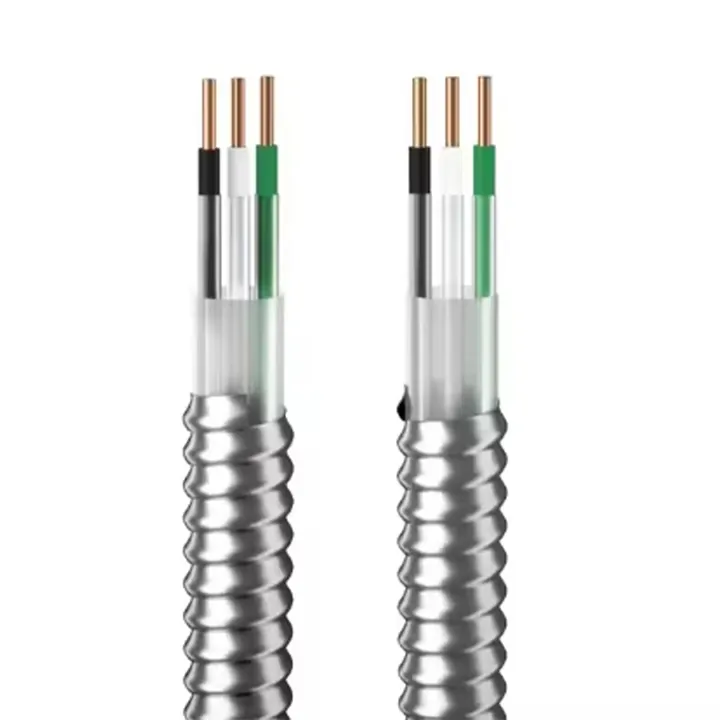 Tinned-copper twisted pairs · AL/PET foil + tinned-copper braid screens · drain wire · PE / PVC insulation
Instrument Cable Construction — Twisted Pairs, Individual and Overall Screens, Tinned-Copper Drain Wire
Two things separate an instrument cable from an ordinary conductor: it is twisted, and it is screened — both in the service of one job, delivering a signal to the control room exactly as the sensor sent it. This section explains why it is built that way and how the screening is configured — the full ratings sit in the table below.
-
Twisted pairs & triads
The cores are laid up in a tight helical twist rather than run side by side, so any interference induced across one twist is cancelled by the opposite twist a few millimetres along. That structural symmetry is the first line of defence against EMI, and it is why an instrument cable is twisted where a plain power line never needs to be.
-
Individual + overall screens (IS + OS)
Screening is done at two levels with two different jobs: a foil layer wrapped around each pair keeps neighbouring pairs from crosstalking into one another, and an outer wrap around the whole bundle keeps outside electrical and radio noise from reaching any of them. A power, rubber or charging cable has no equivalent of this — it carries current, it does not have to protect a measurement.
-
Drain wire & tinned-copper conductor
A bare tinned-copper drain wire runs in contact with the foil so the layer has a low-resistance path to earth and can be terminated quickly and reliably at the gland; the conductor itself is tinned so the terminations stay sound for years rather than oxidising loose. A screen only works once it is earthed, and the drain wire is what makes that practical.
-
PE / PVC / XLPE insulation (low capacitance)
The insulation material and the lay of the twist together set the cable's capacitance; a PE-insulated pair keeps mutual capacitance low so a signal survives a long cable run and a fast edge without being dragged down. This is a signal-cable concern a current-carrying cable never weighs.
Instrument Cable Types, Screening and Standards — Unshielded, Collective and Individual+Overall Screen
Match the electromagnetic environment and the pair count to the right screen configuration. Every figure here is a recognised international standard, not a private specification — and this table is the one place the full ratings are set out.
Measurement and control wiring in low-interference environments where no external screening is required.
General process-instrumentation signals, screened against outside EMI reaching the bundle.
Dense multi-pair, high-accuracy signals where crosstalk must be stopped between pairs.
Common construction: All configurations use tinned-copper conductors and twisted pairs / triads with AL/PET foil and/or tinned-copper braid screens, a drain wire, PE / PVC / XLPE insulation, rated 300/500V with low mutual capacitance and optional SWA armour, to BS 5308, IEC 60092-376 and PAS 5308.
Signal Integrity and Screening — EMI Rejection, Crosstalk Control and Low Capacitance
A signal is at its most vulnerable between the field transmitter and the control room — the longer the run and the busier the electromagnetic environment, the more chances it has to pick up noise on the way. Signal integrity is the set of mechanisms that get it there intact, and each layer of the cable does one part of the job. Here is how.
-
Twisted-pair EMI rejection
Because the two cores are twisted, an external field induces equal and opposite voltages in adjacent twists that cancel each other out. Common-mode and induced interference is suppressed by the geometry itself, before any screen is added — which is why the pair is twisted, not just insulated.
-
Two-level screening — IS stops crosstalk, OS blocks outside noise
The individual foil around each pair forms a Faraday layer that keeps one pair's signal from bleeding into its neighbour, so a busy multi-pair cable does not have its loops interfering with each other; the overall wrap around the whole bundle keeps external EMI and RFI out. Two layers, two distinct jobs.
-
Drain-wire earthing
A screen only works once the interference it collects has somewhere to go. The drain wire gives the induced screen current a low-resistance path to a single-point earth, draining it away instead of letting it re-radiate onto the signal. A screen that is not earthed is decoration; the drain wire is what makes it live.
-
Low capacitance keeps the signal
PE insulation and a controlled lay keep the mutual capacitance between cores and to screen low, so a long run or a fast digital edge is not slowed and attenuated by the cable acting as a capacitor. This is what lets a 4-20 mA loop or a data signal reach the far end still readable.
-
Hazardous-area & mechanical safety
Where the route is exposed or in a hazardous area, an optional flame-retardant sheath and optional SWA steel-wire armour add fire and mechanical protection; we describe screening and integrity from mechanism and from the requirements written into BS 5308 and IEC 60092-376, never an invented attenuation figure or capacitance value — no fabricated numbers, customer names or testimonials.
Where Our Instrument Cables Are Used — Process Instrumentation, DCS/PLC and Control Loops
Match the loop to the screening it needs, so the cable suits the electromagnetic environment it actually runs in rather than a generic rating.
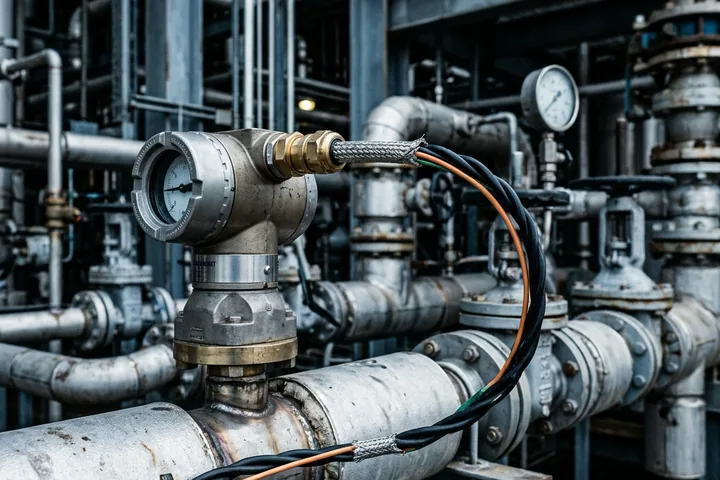
Process-Instrumentation & Transmitter Wiring
4-20 mA loops and sensor tails running long distances back to the marshalling cabinet, where an overall or individual+overall screen keeps the measurement steady.
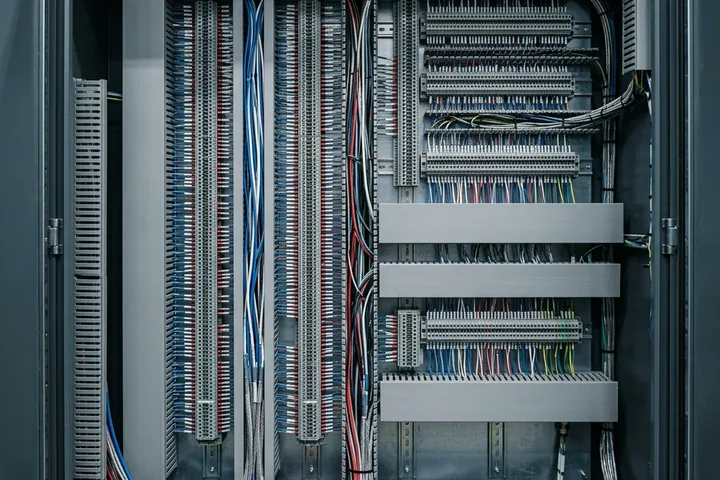
DCS / PLC / SCADA Signal Cabinets
Dense multi-pair runs terminating in the control room, where IS·OS screening stops one loop crosstalking into the next.
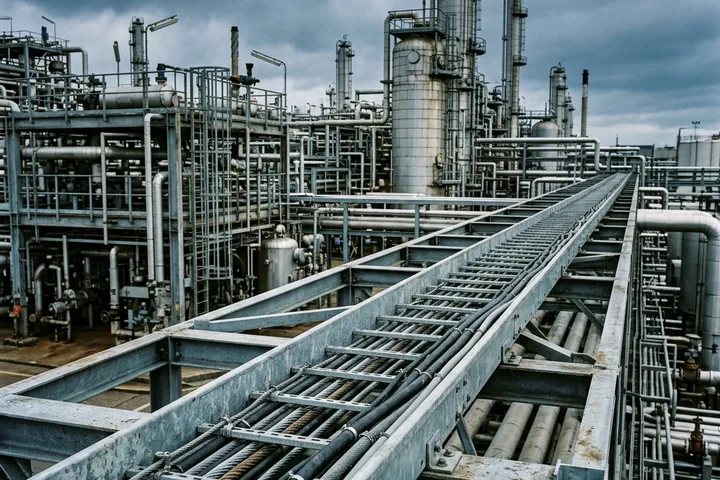
Oil, Gas & Petrochemical Field Instrumentation
Exposed, hazardous-area routes where a flame-retardant sheath and optional SWA armour protect the screened pairs.
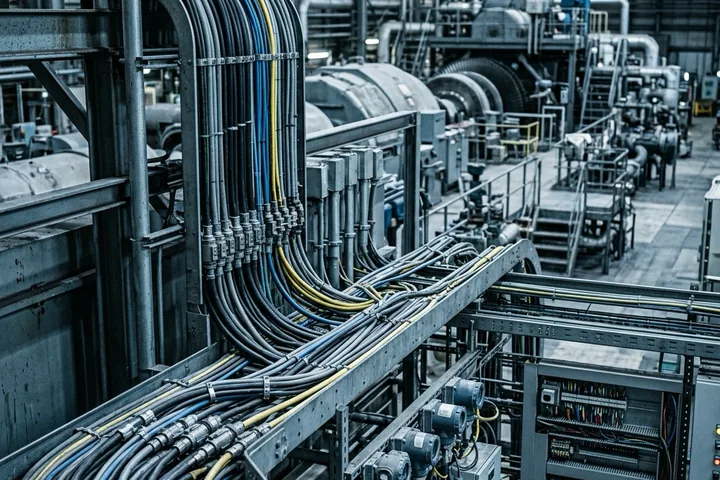
Power-Plant, Water-Treatment & Pharma Control
Measurement and control loops in strong electromagnetic environments that demand high screening effectiveness.
Why Source Instrument Cables From Yaxing
With a signal cable the risk is rarely a cable that fails outright — it is one drum reading differently from the next, so a loop that was steady on the first reel drifts when the screen coverage, the pair symmetry or the capacitance shifts between batches. Holding all of that identical from the first metre to the last is a manufacturing job, and it is why every reel is made under one roof across thirty years, tested at 100% in our own German-standard laboratory before it ships, and backed by the full certification set — CE, UL, TÜV, SAA, RoHS, IEC and ISO 9001, with third-party reports on request. It is the same consistency that has kept Yaxing a long-term State Grid supplier.
See the full factory, quality system and certification record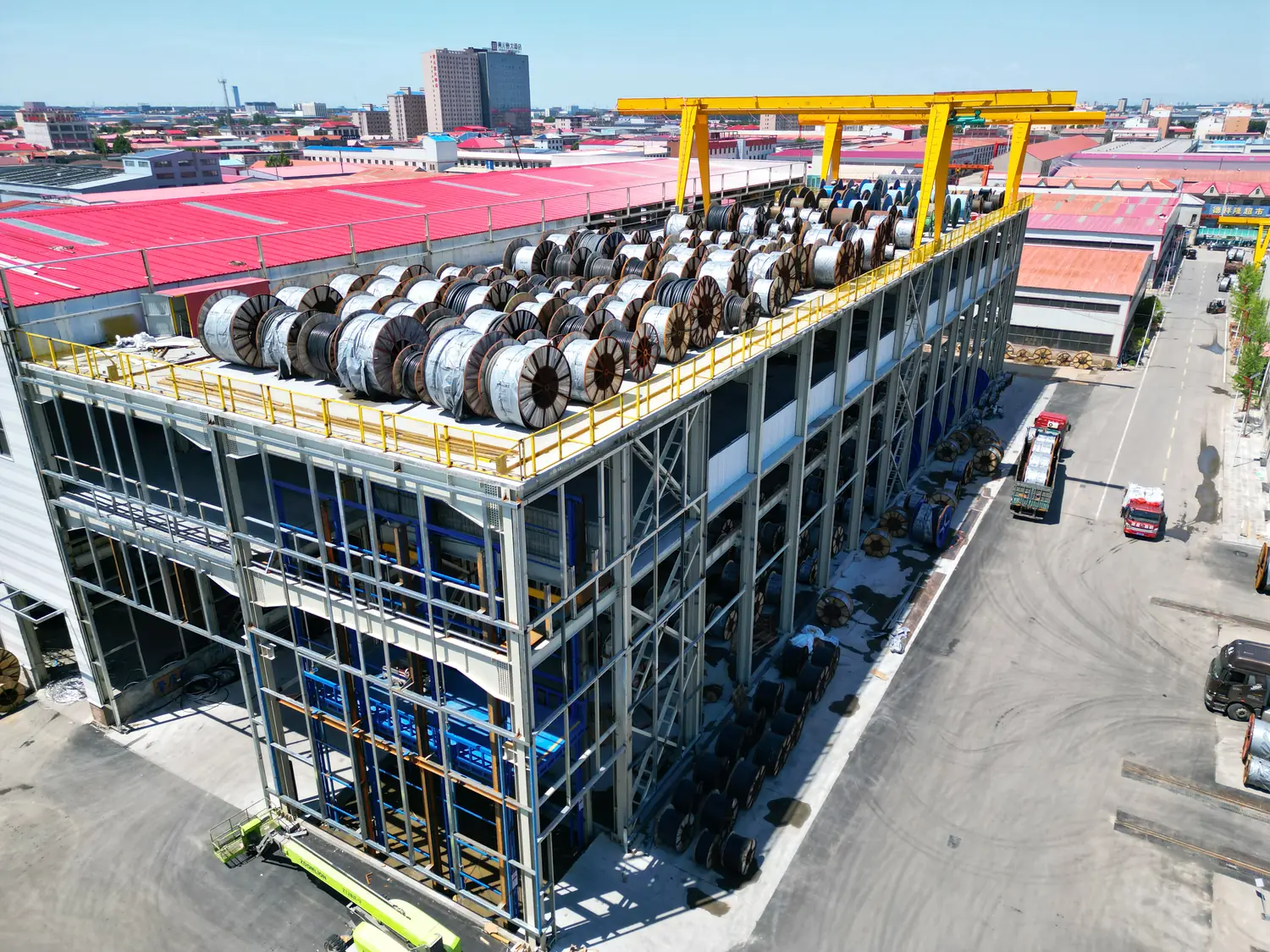 Ten automated lines · 100,000 m² base
OEM and Custom Instrument Cables
An instrument cable is defined more by its screening than by its size, so a custom build starts there. Give us the screen configuration and the pair or triad count your control system calls for, and the conductor, insulation, sheath and protection are all built around that core decision — not fitted to a fixed part number.
- Screen configuration & pair countUnshielded, overall (OS) or individual+overall (IS·OS), in the pair or triad count your loops need.
- Conductor cross-section & tinned copperSized to the signal run and distance, solid or stranded tinned copper.
- Insulation, sheath & pair colour codingLow-capacitance PE, flame-retardant LSZH or fire-rated compounds, with pair identification to your scheme.
- SWA armour & hazardous-area buildOptional steel-wire armour and constructions for exposed or hazardous routes.
- Length, drum & printCut lengths on drums or coils, metre marking and your surface print.
- Packaging & labelOEM / ODM and private-label reels and cartons.
Instrument Cable MOQ From 500 Metres, 15 to 30 Day Lead Time
Instrument work rarely comes in one size — a cabinet project can need a short run of a rare multi-pair IS·OS type alongside kilometres of a standard screened pair. Both begin at the same 500-metre entry, and both are booked into a scheduled build window rather than left to fill a gap between larger jobs, so the odd specification and the bulk staple land on the same date the site is ready to wire them.
Specify
Screen configuration, pair / triad count, cross-section, insulation and quantity.
Confirm
Engineers verify structure, screening and build slot.
Produce & test
Booked build window, 100% factory testing.
Dispatch
Logistics and customs handled together.
Request an Instrument Cable Quote
Send your screen configuration, pair or triad count, conductor cross-section, insulation / sheath and quantity, and whether you need armour. Our engineers reply within 4 hours and return a full quote with datasheets within 24.
- Built to BS 5308 / IEC 60092-376 / PAS 5308 · twisted pair / triad · IS/OS screens
- Tinned-copper conductor & drain wire · AL/PET foil + tinned-copper braid · low capacitance · 300/500V
- MOQ from 500 m · 15–30 day lead time · 100% factory tested
- Reply within 4h · full quote & datasheets in 24h
Prefer to talk first? Email allen@newsun-cable.com or WhatsApp +86 188 7140 0481.