SHD-GC · MV
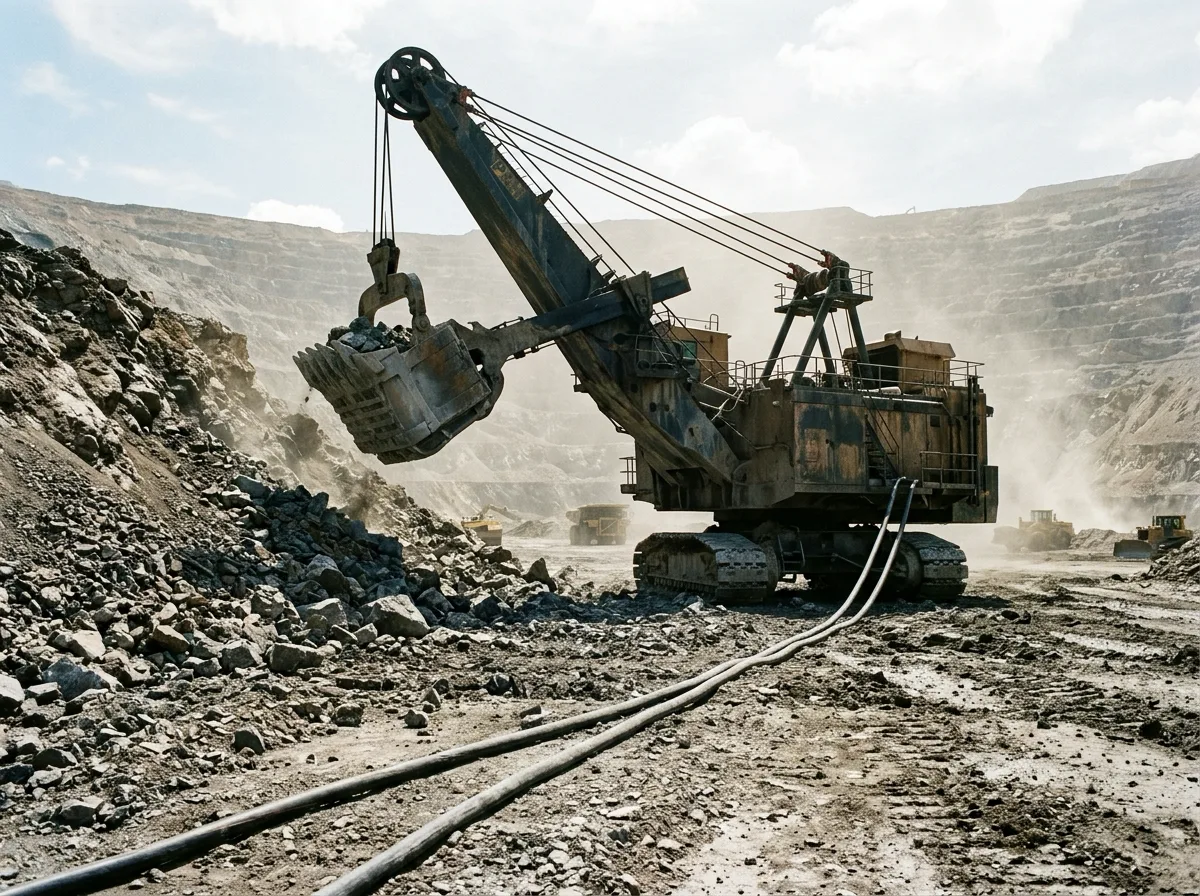
Draglines & rope shovels
High-power surface machines on MV supply, where shielded type SHD-GC handles the higher voltage class and keeps the earth-check pilot watching as the cable is trailed.
Medium-voltage mining trailing and reeling cables — EPR-insulated current-carrying cores with ground conductors and a central ground-check pilot, protected by a heavy-duty CPE/CR sheath — in type G, type G-GC and SHD-GC, rated LV to MV and flame-retardant to MSHA, engineered to survive extreme dragging, crushing and reeling while keeping earth continuity monitored on the move.
Cut a mining cable open and you find more than power. Alongside the load-carrying cores sit earth conductors and, in a ground-check cable, a pilot core whose only job is to let the machine watch its own earth. A mining cable is that whole bundle — power, earth and earth-check under one heavy jacket — so this section is about the structure that makes it a monitored, medium-voltage machine feed rather than an ordinary flexible lead; the full ratings sit in the table below.
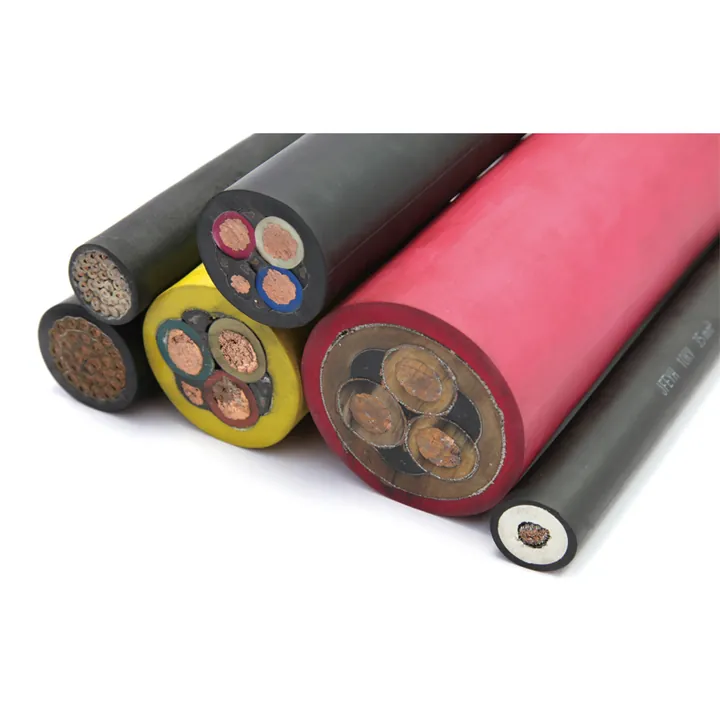 Heavy-sheathed mining trailing / reeling cable
Core bundle — power, earth and a central earth-check pilot under one heavy jacket
The load cores are ethylene-propylene-rubber insulated and rated from LV up to medium voltage, so the same trailing cable feeds a machine at the voltage class the mine actually runs — not a low-voltage-only portable lead.
This is what sets a mining cable apart: beyond the current cores it carries dedicated earth conductors for the fault-current path, and in type G-GC / SHD-GC a central ground-check pilot that ties into the machine's protection circuit for continuous earth-continuity monitoring. No sibling cable on this site carries an earth-check conductor — it is the reason a mining cable is built as a bundle, not a single core.
All of the cores, power and earth alike, are bundled from many fine strands so the complete assembly stays supple enough to wind onto a reel drum and be dragged behind a machine without the bundle stiffening or a core parting.
Over the bundle sits one thick chlorinated / chloroprene jacket, abrasion- and oil-resistant and flame-retardant to MSHA — the armour skin that lets the safety cores underneath survive the pit (the jacket's compound and ratings are set out in §3, not re-argued here).
Match the machine's voltage class, and the way its protection relay expects to watch the earth, to the right type. Every figure here is a recognised international mining standard, not a private specification — and this table is the one place the full ratings are set out.
All types use fine-stranded tinned or bare copper (IEC 60228 Class 5), EPR insulation and a heavy-duty CPE/CR sheath — abrasion-, oil- and weather-resistant, flame-retardant to MSHA, and built to IEC 60502 and AS/NZS.
Tell us the type, voltage class, the number and cross-section of current cores, the earth and ground-check configuration, and whether the cable is trailed or reeled — our engineers confirm the exact construction, with third-party test reports available.
On a working mine a cable does not fail gently. It is dragged over rock, run over by machines and wound on and off a reel until either the jacket gives out — or, far more dangerous, an earth fault goes unwatched on a live medium-voltage machine with people working beside it. Mine-duty cable is built to hold off both, and it does so through two independent parts of its construction — one mechanical, one electrical. Here is how each one works.
The heavy CPE/CR jacket and reinforced build take the punishment of being hauled across rock and ground behind a machine, so the outer skin wears rather than splits and the safety cores underneath stay covered.
A mining cable gets run over. The reinforced construction resists being crushed by machinery and mine traffic without the cores deforming into a short — a demand a general mobile cable never has to meet.
Wound on and off a reel drum shift after shift, the bundle flexes and recovers without the jacket cracking or a core working loose, which is why every core is fine-stranded rather than solid.
This is the core of a mining cable's safety. The ground conductors carry any fault current away, and the central ground-check pilot ties into the machine's protection relay so earth continuity is watched continuously: the moment the earth path breaks, the relay trips the machine and cuts power before anyone can be shocked. It is the safety function that names type G-GC and SHD-GC — and that no other cable on this site provides.
The EPR insulation holds its medium-voltage rating through the heat and damp of the pit, and the CPE/CR jacket is flame-retardant to MSHA, so a fault in a confined underground space is far less likely to feed a fire.
The same jacket shrugs off water, oil and the corrosive media of a mine, so the cable holds up through long exposure rather than swelling or ageing early.
We describe it from mechanism and from the mining standards written for it — IEC 60502, MSHA and AS/NZS — never an invented wear-life figure, kV rating, mine-site case or customer name. That is the claim we stand behind.
Different mining machines put very different demands on a trailing or reeling cable, so each of these maps to the type, voltage class and ground-check configuration it actually runs on rather than one catalogue part.
High-power surface machines on MV supply, where shielded type SHD-GC handles the higher voltage class and keeps the earth-check pilot watching as the cable is trailed.
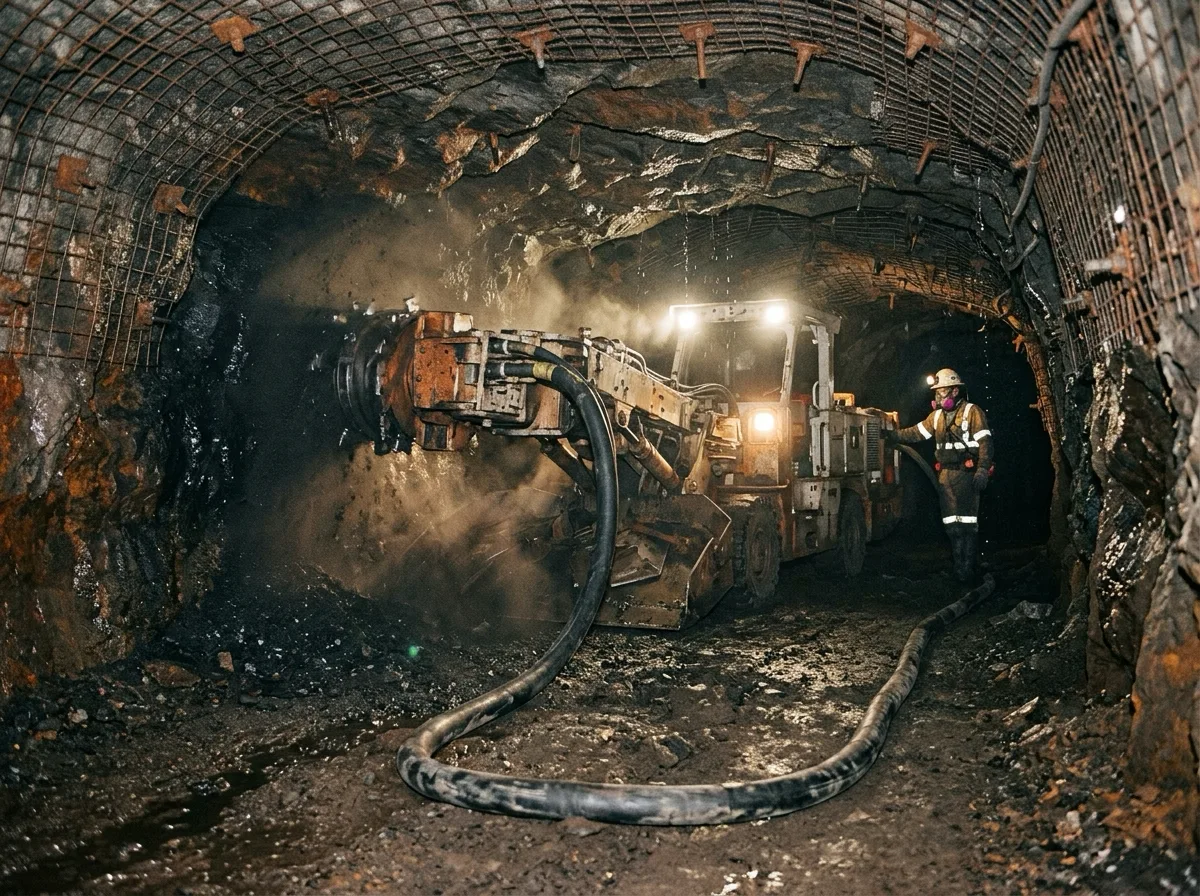
Underground MV trailing where earth-continuity monitoring is not optional, matched to type G-GC / SHD-GC.
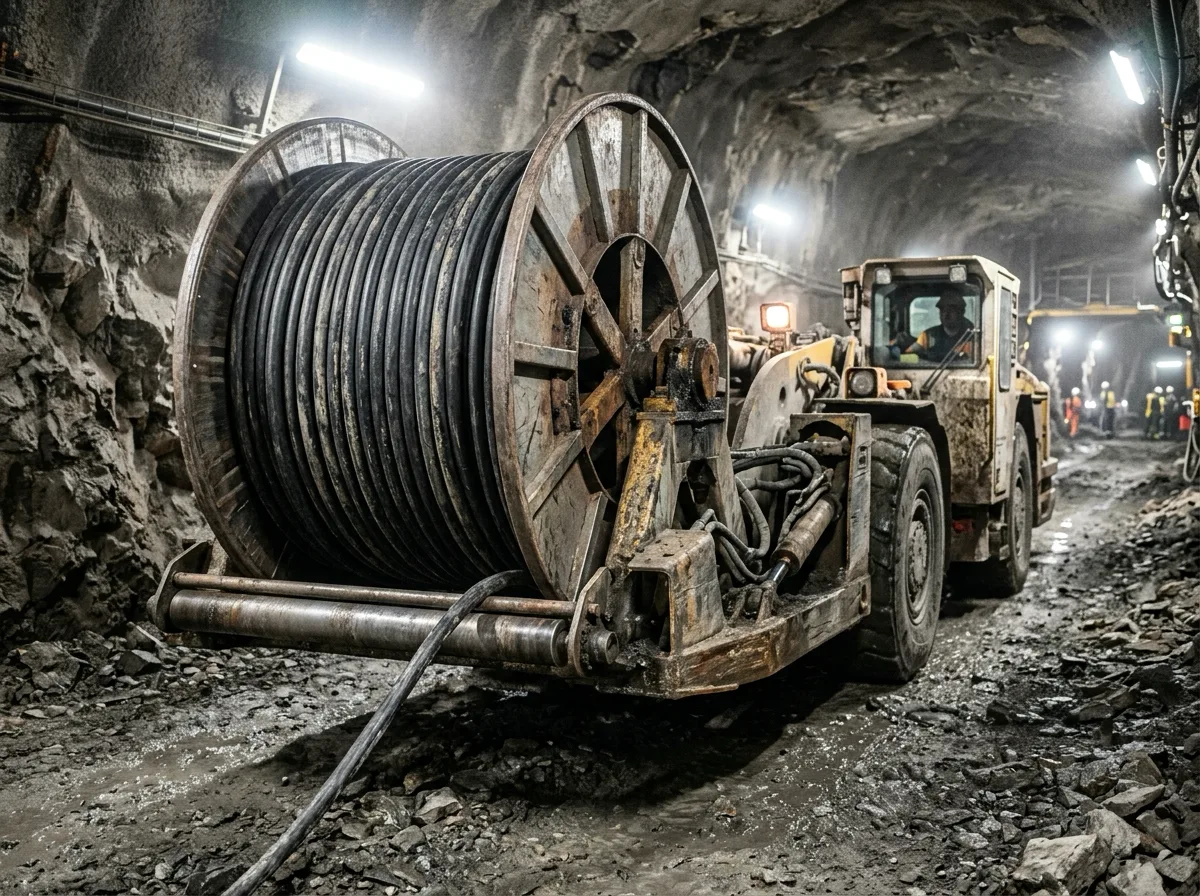
Reeling service that winds the cable on and off a drum over and over, calling for a reel-rated type G-GC trailing / reeling build.
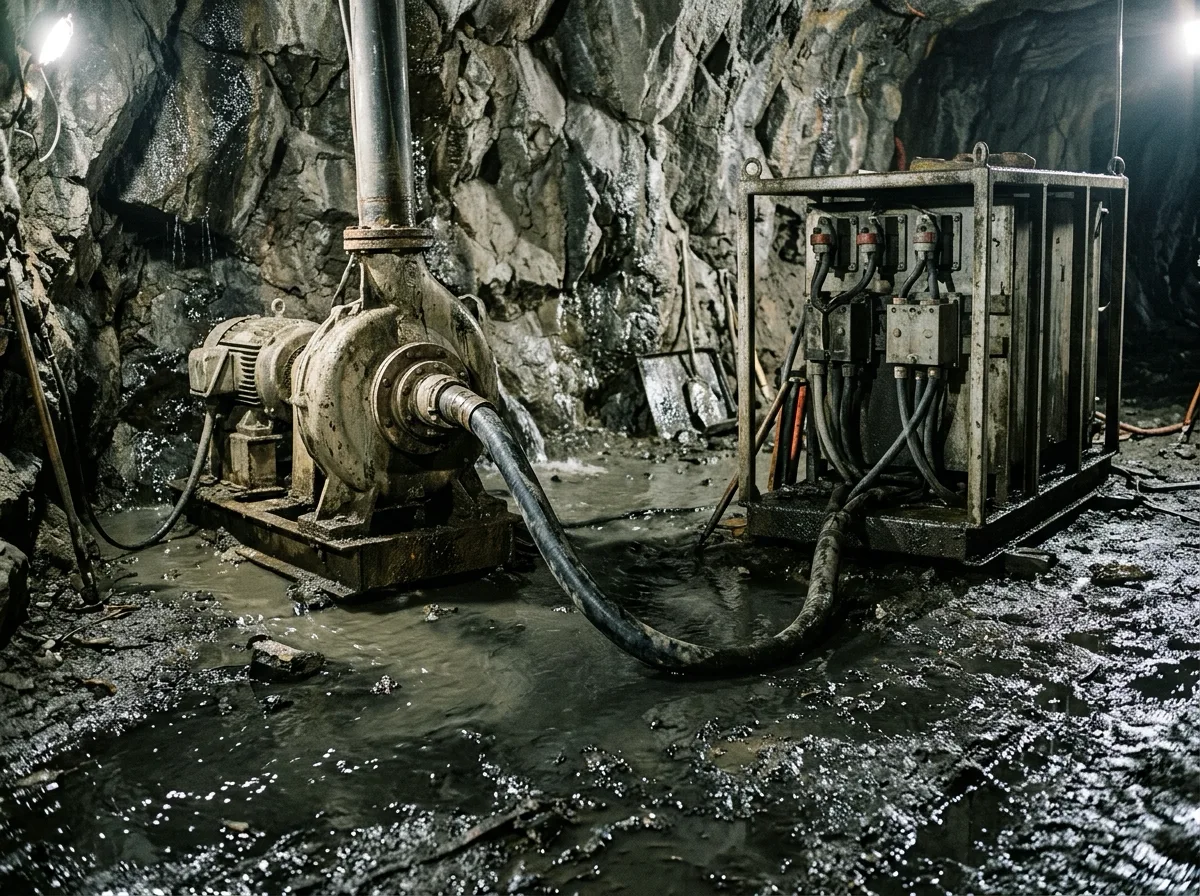
Wet pump sumps and mobile supply, where type G current-plus-earth cores stand up to water and oil.
On a mine, a cable that lets go mid-shift is not simply a stopped machine — it is a live medium-voltage conductor down where people work, so who built it, and whether its earth-check core can be trusted to trip, matters more here than almost anywhere. That is why it counts that Yaxing owns its production lines rather than reselling as a trader, has served the State Grid as a long-term supplier across 30 years, and holds the things a mining buyer cannot afford to see drift — MV insulation, ground-check conductors and jacket wear — consistent batch to batch, testing every reel at 100% in an in-house German-standard laboratory before it ships and shipping the full certification set (CE, UL, TÜV, SAA, RoHS, IEC and ISO 9001) on file, with third-party reports for your mining spec.
See the full factory, quality system and certification record on our About pageOn a mining cable, two decisions are fixed by the machine, not by preference: the voltage class it runs at, and the earth and ground-check configuration its protection relay is wired to expect. Everything else we build to your job — around those two, the rest of the cable is yours to specify.
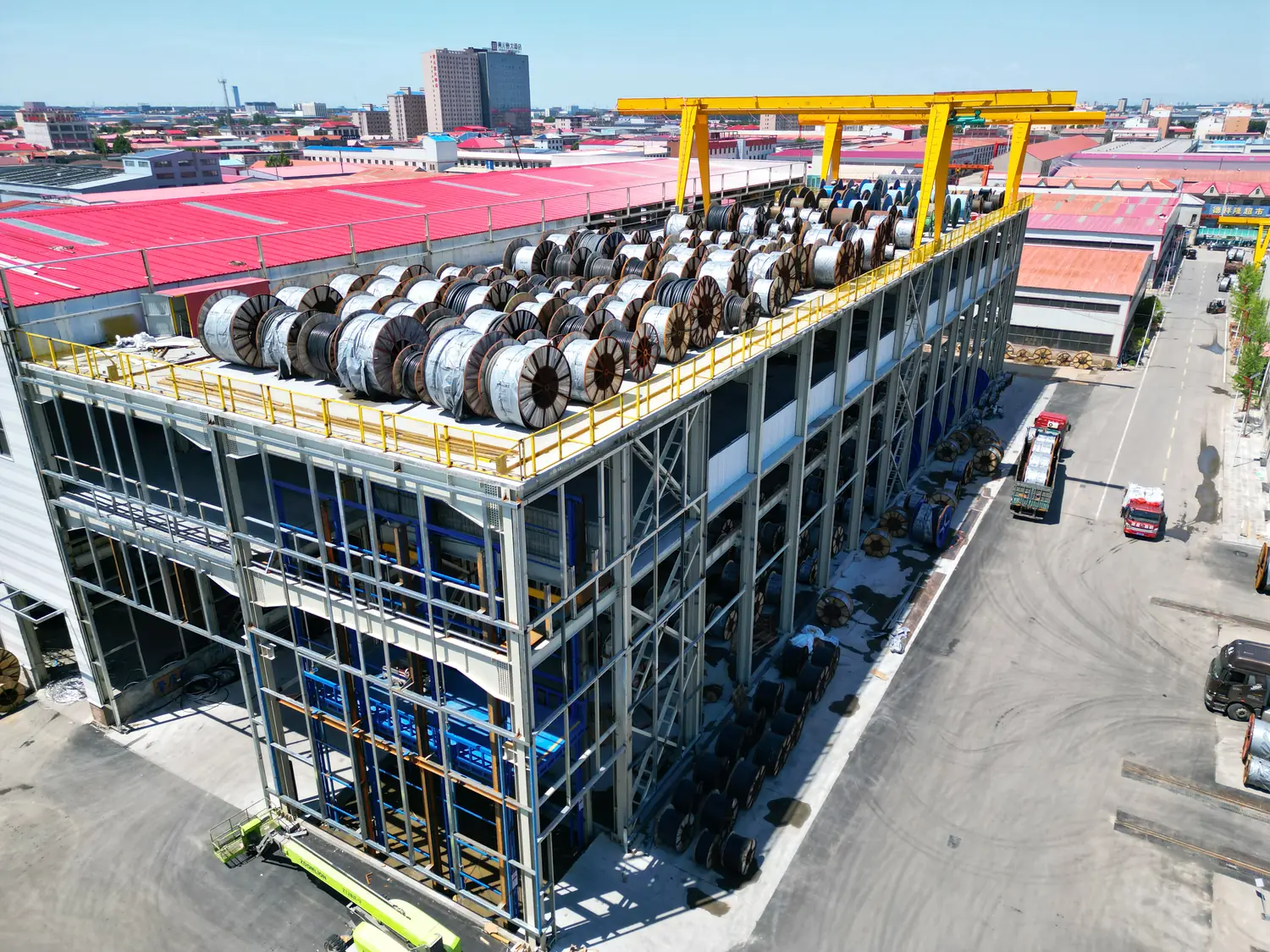 Own production lines — mining runs built to spec
A mine plans its cable changes around a shutdown, not the other way round — a dragline length or a reel-truck cable gets swapped in a maintenance window fixed weeks ahead, and the cable has to be on site for it. The 500-metre minimum keeps a single trailing length or a first trial reel small to order, and every run is booked to a confirmed build slot, so the sample and the repeat project order both arrive before the window opens rather than after the machine is already down.
Type, voltage class, cores, ground-check configuration.
Booked to a confirmed window ahead of the shutdown.
Every reel tested 100% before it leaves.
Drummed, metre-marked and shipped, customs handled together.
Send your type, voltage class, current-core count and cross-section, earth and ground-check configuration, and whether the cable is trailed or reeled. Our engineers reply within 4 hours and return a full quote with datasheets within 24.
Prefer to talk first? Email allen@newsun-cable.com or WhatsApp +86 188 7140 0481.